
Eating iron-rich foods can provide energy and help alleviate the effects of alcohol consumption. Additionally, consuming probiotic-rich foods can aid the digestive system’s recovery. It is essential to abstain from alcohol during the detox process and seek support from trusted friends, family, or professionals.
What Removes Alcohol from the Body?
According to the WHO, alcohol consumption contributes to 3 million deaths yearly 1. Alcohol poisoning contributes to the harm experienced by the population as a whole. It acts like poison upon best way to flush alcohol out of your system reaching a certain concentration level in the blood. It disrupts the function of blood circulation, affecting the brain and other organs. Remember that alcohol is absorbed the quickest in your small intestine.
What to Eat to Detox Your Body: A Comprehensive Guide
- Whether it’s for health reasons, preparing for a medical test, or seeking treatment, knowing how alcohol is processed in the body can provide valuable insights.
- When you’ve consumed too much alcohol, your body experiences a range of side effects, from short-term impairments to long-term impacts.
- Myths like chugging water or sweating it out don’t work and can even cause harm, like dehydration.
- Whenever you are recovering from a hangover, it is recommended to avoid sugar-rich and greasy food.
- In workplaces, specifically in transportation and safety and healthcare, EtG testing is often used.
Green tea may also help flush out alcohol due to its high antioxidant content, which aids digestion. It is important to note that while some home remedies may make one feel more alert, they will not eliminate alcohol from the blood. Hydration plays a crucial role in flushing alcohol from your system, primarily by supporting your kidneys in their natural detoxification process. When you consume alcohol, it is metabolized by the liver, but the byproducts, including toxins, need to be eliminated through the kidneys.
How Do I Flush Alcohol Out of My System?
Drinking water helps dilute these toxins, making it easier for the kidneys to filter them out of the bloodstream. This process not only accelerates the removal of alcohol but also reduces the concentration of harmful substances in your body. To maximize this effect, start hydrating as soon as possible after alcohol consumption, and continue drinking water consistently throughout the day. While there is no way to speed up the liver’s processing time, certain strategies can help manage withdrawal symptoms and support the detox process. Staying hydrated by drinking plenty of water, herbal teas, or electrolyte-rich fluids can reduce symptoms such as headaches and fatigue.
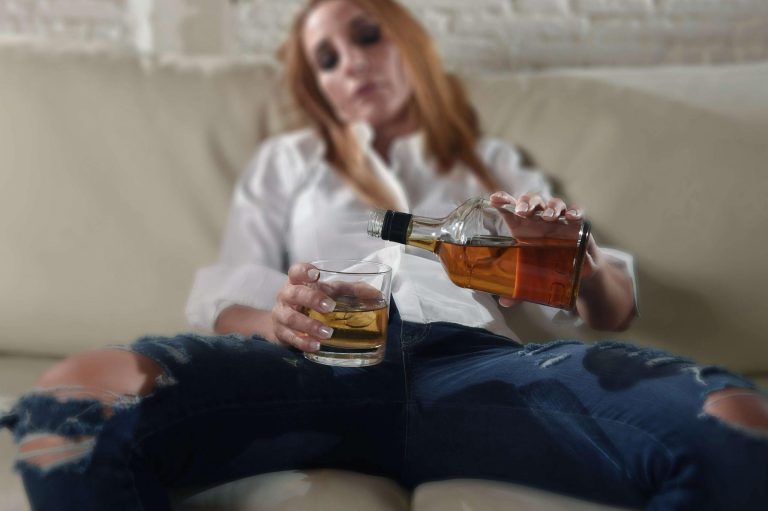
It takes around 25 hours for your body to fully break down the alcohol particles, but it can take several days for all the alcohol to leave https://apub.org.bd/literary-hub-7-novels-that-capture-the-pain-and/ your body through urine. Your blood alcohol content (BAC) measures the amount of alcohol currently in your system. Someone with lower body weight will typically have a higher BAC than someone heavier who drank the same amount. Since fat tissue doesn’t absorb alcohol, people with higher body fat percentages may feel alcohol’s effects more strongly. Book a visit today to talk about building healthier drinking habits or starting your sobriety journey. Whatever path feels right for you, we’re here to support you through it.
Amount Of Alcohol Consumed & Strength
Now there’s a reason you don’t feel intoxicated for 20 hours from a pint. Singh adds the physical symptoms of drinking alcohol and intoxication resolve much sooner than completion of the overall metabolism cycle. In urine, alcohol can be detected from 12 to 130 hours if a person has been drinking excessively.
- So, understanding “how long it takes for alcohol to leave the body” can help set realistic expectations when consuming alcohol.
- Seeking professional help and embracing a holistic approach can improve the chances of successfully overcoming alcohol dependence.
- It is the first step in the treatment of alcohol addiction and is typically conducted under medical supervision to ensure safety and comfort.
- Physical activity, in itself, will not speed up alcohol metabolism.
- A balanced diet not only supports your body’s detoxification processes but also improves your overall health, making it easier to recover from alcohol consumption.
Physical activity, in itself, will not speed up alcohol metabolism. While exercise can improve overall health and well-being, the liver metabolizes alcohol at a constant rate. And, you heard there are quick fixes like drinking gallons of water. Instead, you need to focus on giving your body time to recover naturally. If you have health conditions affecting the liver, kidneys, or stomach, your body may have difficulty processing alcohol. These organs play major roles in alcohol metabolism, so any impairment will affect how efficiently they can help alcohol pass through your system.
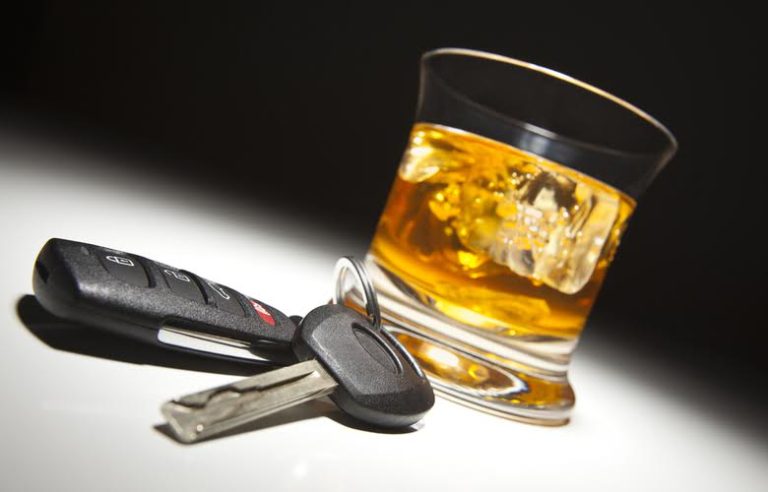
Understanding how alcohol leaves your body
- Food also keeps alcohol in the stomach for a longer duration, allowing some of it to be metabolized before it travels to the small intestine.
- Sunnyside is a system for creating a more mindful approach to drinking to help you reach your goals.
- Liver health significantly impacts how long alcohol stays in your system.
- But when consumed in larger doses, such as binge or heavy drinking, alcohol will begin to have various negative effects on the body.
- Seeking professional support and treatment is essential for consistent lifestyle changes and safe recovery.
Although these numbers are staggering, many individuals struggling with alcohol consumption are seeking treatment. One of the first steps in overcoming an alcohol addiction is the detoxification process. Two enzymes in the liver, alcohol dehydrogenase (ADH) and aldehyde dehydrogenase (ALDH), affect the rate your body metabolizes alcohol. Singh says genetic and environmental factors can change how much of these enzymes are present. Your metabolism, body weight, sex, and overall health can all affect how quickly alcohol leaves your system. Drinking on an empty stomach may also slow the process because alcohol is absorbed faster into the bloodstream.
It is always best to drink responsibly and in moderation and to never drink and drive. If you what is alcoholism are concerned about your alcohol consumption, speaking with a professional is vital. Medical interventions may be necessary for individuals struggling with severe alcohol dependence or withdrawal symptoms.
How Your Body Clears Alcohol
In the short term, having medical professionals support you through the withdrawal process provides essential protection. Experienced professionals can spot signs of severe withdrawal and manage any complications, ensuring you’re safe as your body processes alcohol out of your system. They’re also there to reassure you that withdrawal will pass, helping you stay focused on becoming healthier and feeling better. If you require medical intervention, such as medication to ease symptoms, professionals can assist with that as well. Hydration is another key aspect of nutrition that complements the consumption of fruits, vegetables, and lean proteins. Water-rich foods like cucumbers, watermelon, and zucchini not only contribute to hydration but also help flush toxins out of the body.
Have you ever wondered why the same two drinks hit you harder on Thursday than they did on Saturday? There’s no universal timeline for how long alcohol stays in your system because your body will process it differently every time. There are several factors affecting alcohol metabolism that come into play. How quickly or slowly you metabolize alcohol isn’t a reflection on your health or who you are as a person. If you or someone you know is struggling with alcohol use, understanding how to get alcohol out of your system is crucial. Whether it’s for health reasons, preparing for a medical test, or seeking treatment, knowing how alcohol is processed in the body can provide valuable insights.
Although each person metabolizes alcohol a bit differently, there are a few factors that will impact how long you feel the effects and how long alcohol will remain in your system. Sleep is another important factor in reducing blood alcohol content. Getting enough sleep allows the body to recover and gives the liver time to filter alcohol from the system. Exercise can also help to wake up the body and make a person more alert, although there is no strong evidence to suggest it helps to metabolize alcohol quicker.